There is nothing more frustrating than setting your thermostat to a crisp 72 degrees, only to find that your bedroom feels like a sauna while your living room feels like a walk-in freezer. In the intense heat of Winter Haven and Polk County, uneven cooling isn’t just a minor annoyance; it’s a sign that your system is struggling. Understanding why some rooms stay hot even with AC running is the first step toward reclaiming your comfort and lowering your energy bills.
In this guide, we will explore the common culprits behind “hot spots,” from simple airflow blocks to hidden mechanical issues, and provide actionable solutions to balance your home’s temperature.
What is Uneven Cooling?
Uneven cooling occurs when an HVAC system fails to distribute conditioned air consistently throughout a building, resulting in significant temperature variances between different rooms. This is a common issue in Florida homes, where high solar gain and humidity put extreme pressure on ductwork and air handlers.
Top Reasons Why Some Rooms Stay Hot Even with AC Running
When a client asks, “Why does my room get so hot even with AC?” the answer usually falls into one of three categories: airflow restrictions, structural heat gain, or mechanical limitations.
1. Blocked or Closed Vents
It sounds simple, but furniture, heavy curtains, or even rugs often block supply vents or return grilles. If the air can't get into the room—or if the "stale" air can't get back to the AC to be cooled—that room will stay warm.
2. Leaky or Uninsulated Ductwork
In many Polk County homes, ductwork runs through the attic. If your ducts have small holes or aren't properly insulated, the cool air loses its "chill" before it ever reaches the far corners of your house. You are essentially paying to cool your attic rather than your bedroom.
3. Dirty Air Filters and Coils
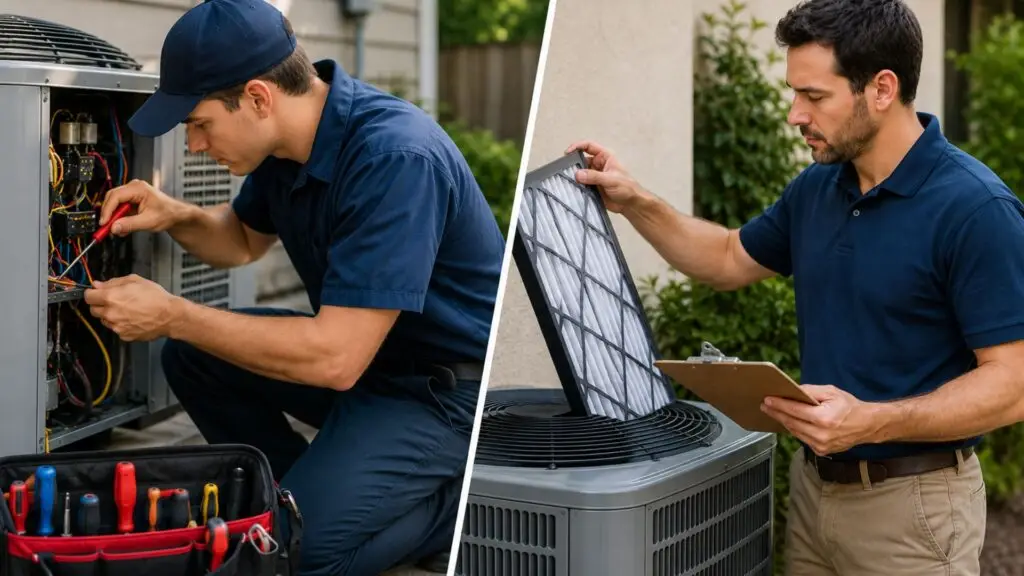
A clogged filter restricts the volume of air your system can push. If the airflow is weak, the rooms furthest from the air handler will be the first to suffer. Similarly, dirty evaporator coils cannot remove heat efficiently, leading to lukewarm air.
4. Solar Heat Gain
Rooms with large, south-facing windows or poor insulation are constantly fighting the Florida sun. If a room has more windows or less attic insulation than the rest of the house, your AC may struggle to keep up with the radiant heat.
Mechanical Causes of Hot Spots
Sometimes the issue isn’t about maintenance, but rather the design of the system itself.
Improperly Sized Units
If an AC unit is too small, it will never reach the "edges" of your home. If it is too large (oversized), it may "short cycle," turning off before the air has properly circulated to the furthest rooms.
Single-Zone Thermostats
Most homes have one thermostat in a central hallway. Once that hallway reaches the target temperature, the AC shuts off—regardless of whether the upstairs master bedroom is still 80 degrees.
How to Fix Hot Spots: Actionable Steps for Homeowners
If you are wondering, “Why does my room get so hot even with AC?” try these steps before calling for a full system replacement:
Check Every Vent: Ensure all supply vents are open. Contrary to popular belief, closing vents in unused rooms does not save energy; it actually increases pressure and can cause duct leaks.
Inspect the Filter: If you haven’t changed your filter in the last 30 days, do it now. This is the #1 cause of weak airflow.
Use Window Treatments: During the day, close blinds or blackout curtains in south-facing rooms to block solar heat.
Check for Drafts: Use weatherstripping around windows and doors in the hot room to keep the cool air in and the humidity out.
Turn on Ceiling Fans: Fans don’t lower the temperature, but they create a wind-chill effect that makes the room feel 4 degrees cooler.
FAQ: Solving Uneven Cooling in Florida
Heat naturally rises, and your roof absorbs a massive amount of solar radiation. If your attic insulation is insufficient or your ductwork isn’t balanced for a two-story layout, the upstairs will always be harder to cool.
Yes, especially if you use remote sensors. You can place a sensor in the hot room, telling the AC to keep running until that specific room reaches the desired temperature.
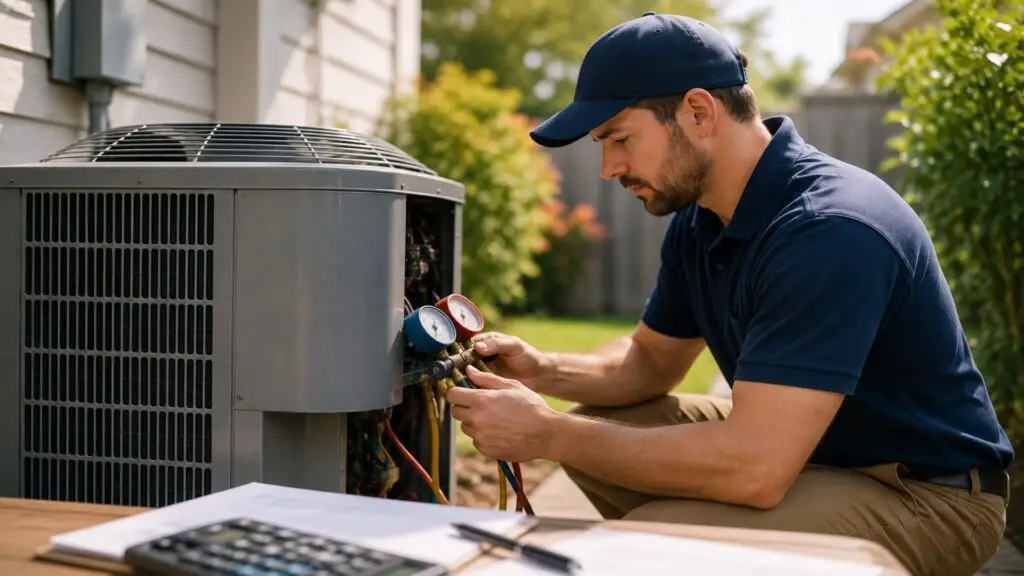
Not necessarily. If the rest of the house is cooling well, the issue is likely airflow or duct-related. However, if the entire house is struggling, a refrigerant leak could be the cause.
Professional balancing involves adjusting the dampers inside your ductwork to direct more air to the “hot” rooms and less air to the “cold” rooms, ensuring an even flow throughout the house.
Conclusion: Achieve Consistent Comfort Today
Understanding why some rooms stay hot even with AC running helps you identify whether you need a simple filter change or a professional duct inspection. In our Polk County climate, your air conditioner has to work incredibly hard. When one room falls behind, it forces the entire system to run longer, increasing your utility bills and shortening the lifespan of your equipment.
At Indoor Climate Experts Inc. (Ice Cooling HVAC), we specialize in diagnosing and fixing these “impossible” hot spots. From duct sealing and insulation checks to system balancing and zone control, we ensure every corner of your home feels like an oasis.
Stop Sweating in Your Own Home—Call the Experts!
Are you tired of “hot spots” ruining your sleep or workspace? Let Ice Cooling HVAC restore balance to your home! We offer same-day service and free estimates for homeowners in Winter Haven and across Polk County. Contact us today schedule your professional cooling diagnostic. We’re available 24/7 to make sure every room in your house is perfectly cool!