If you have ever wondered, “Is My HVAC Tune-Up Just a Sales Pitch?”, you are asking the right question. A quality tune-up should not feel like a pressure-filled appointment; it should be a practical service visit that checks safety, improves reliability, supports efficiency, and helps you understand the condition of your heating and cooling system. For homeowners looking for honest HVAC guidance, Indoor Climate Expert focuses on clear explanations, preventive care benefits, and smart comfort decisions.
A tune-up is most valuable when it gives you usable information. The technician should inspect, clean, test, and explain—not simply walk in with a list of upgrades. Done well, regular maintenance can support comfort enhancement, system performance improvement, and cost-saving strategies that help your equipment work better for longer.
What should a real HVAC tune-up include?
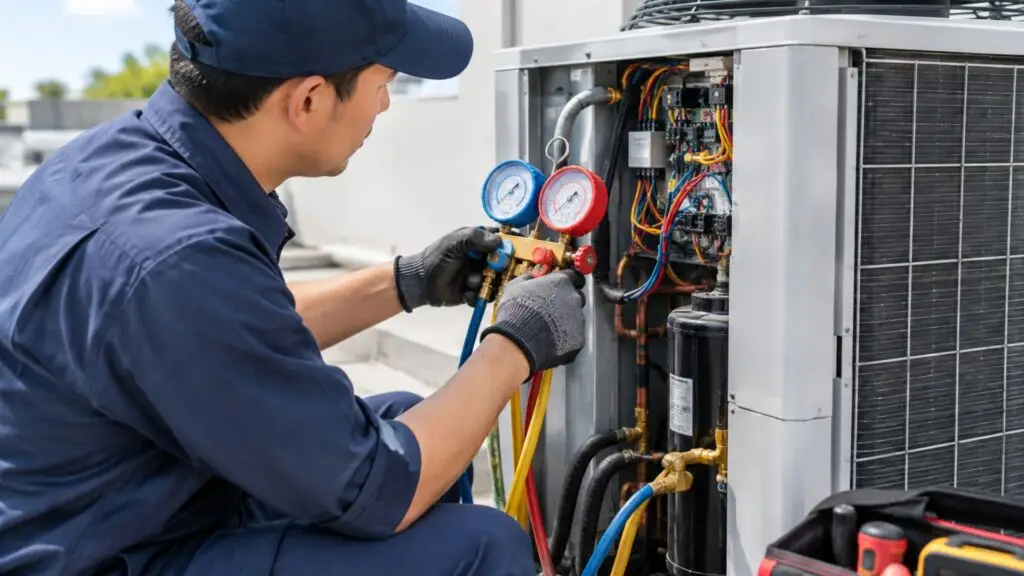
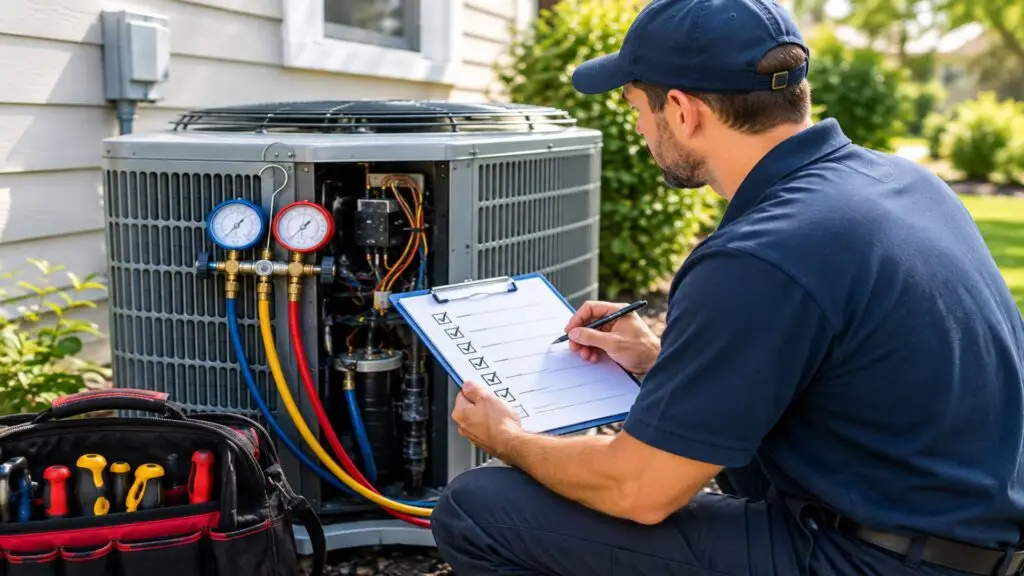
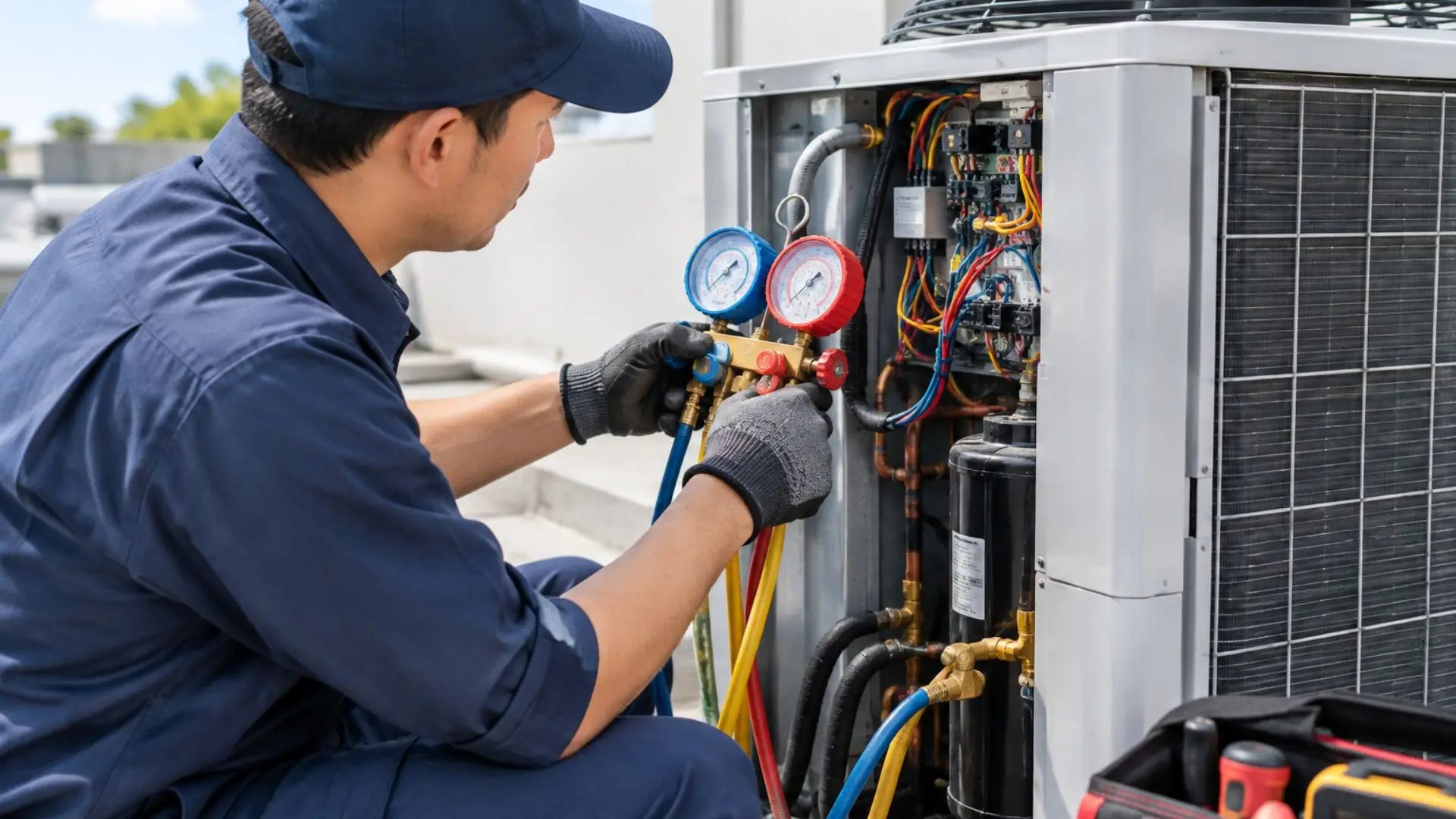
A real HVAC tune-up should include a careful inspection of major system components, cleaning where needed, performance testing, thermostat checks, airflow review, and a clear explanation of any concerns found. The goal is to identify small issues before they become larger problems, improve day-to-day comfort, and help your system run as smoothly as possible for its age and condition.
While every home and system is different, a professional visit should feel organized and transparent. You should know what was checked, why it matters, and whether anything needs immediate attention or can simply be monitored. That difference is what separates helpful maintenance from a vague sales visit.
A typical tune-up may include:
Checking thermostat operation and settings for accurate comfort control
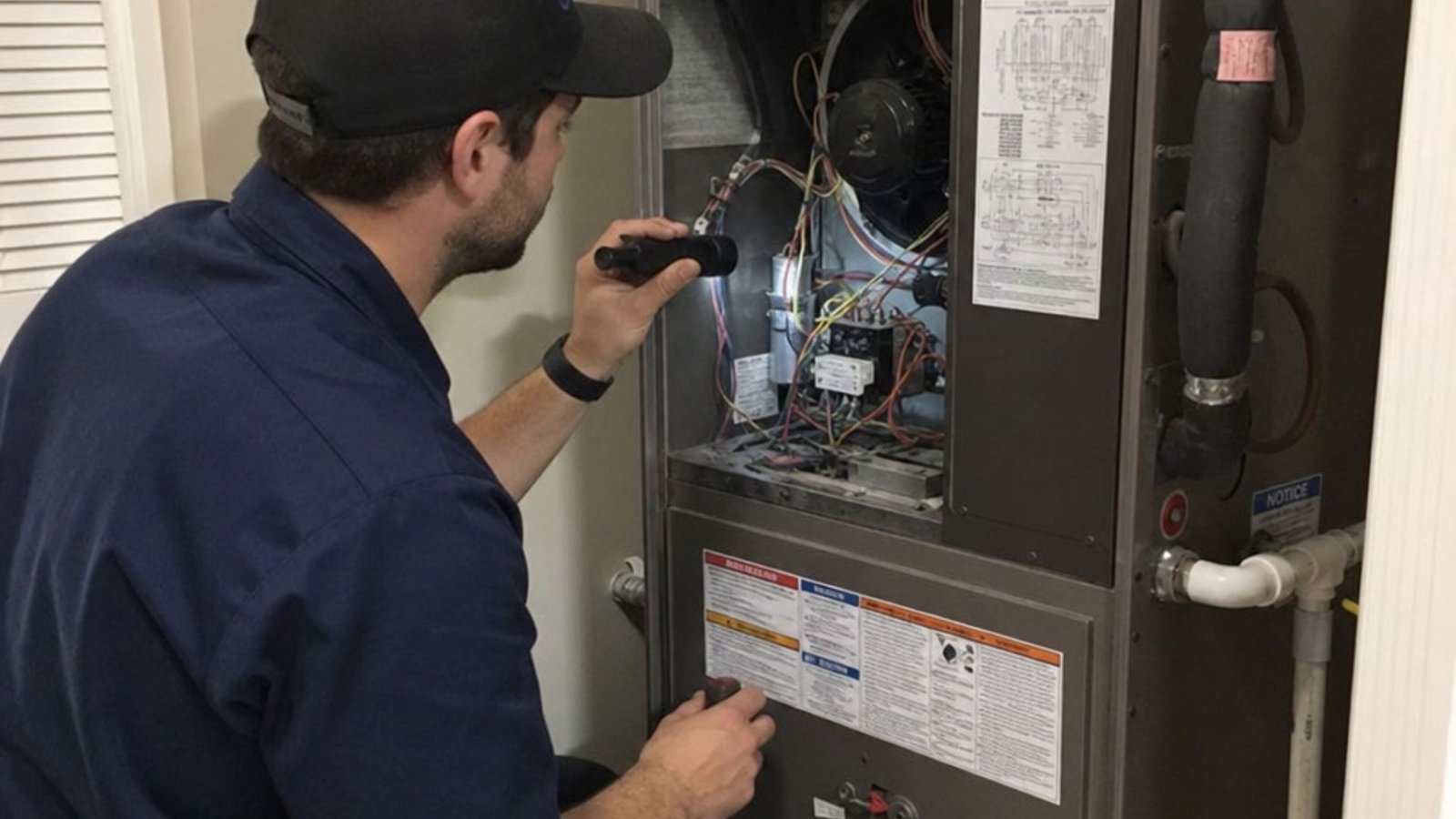
Inspecting electrical connections for visible wear or looseness
Reviewing airflow and filter condition
Cleaning accessible components that affect performance
Checking refrigerant-related performance indicators when applicable
Inspecting the condensate drain and related parts
Listening for unusual noises or vibration
Testing heating or cooling cycles to confirm operation
Looking for signs of wear that could affect reliability
Explaining findings in plain language before recommending next steps
These tune-up advantages are not about creating fear. They are about giving you a clearer picture of your system so you can make informed choices.
The difference between maintenance and a sales pitch
A sales pitch starts with the conclusion: “You need to buy something.” Maintenance starts with evidence: “Here is what we checked, here is what we found, and here is what it means.” That distinction matters because HVAC systems are complex, and homeowners should not have to guess whether a recommendation is necessary.
A trustworthy technician will show or explain the issue in a way you can understand. For example, a dirty filter, clogged drain, weak airflow, or worn part should come with context. Is it urgent? Is it affecting comfort? Could it lead to a breakdown? Are there simpler options to try first?
Good maintenance also respects your budget. Some items may need immediate repair for safe or reliable operation. Others may be optional improvements, future planning notes, or energy savings tips. When everything is presented as an emergency, it becomes harder to trust the advice.
Why HVAC tune-up benefits matter in everyday life
The best hvac tune-up benefits show up in ordinary moments: steadier rooms, fewer surprise issues, cleaner operation, and better confidence when temperatures change. You may not notice every benefit instantly, but maintenance supports the conditions that help your HVAC system do its job with less strain.
Comfort enhancement is one of the most practical reasons to schedule service. If rooms feel uneven, the system runs longer than expected, or airflow seems weak, a tune-up can help identify contributing factors. Sometimes the fix is simple, such as replacing a clogged filter or improving thermostat settings. Other times, the visit uncovers an issue that needs repair before comfort improves.
Preventive care benefits are also important. HVAC systems often give warning signs before they fail, but those signs can be easy to miss. A maintenance appointment creates an opportunity to catch wear, drainage concerns, airflow restrictions, or operating problems early.
The phrase hvac tune up benefits can sound generic, but the real value is specific: fewer unknowns, better information, and a system that receives attention before peak-season stress.
Cost-saving strategies start with prevention
No tune-up can promise that your system will never break down or that your utility bill will drop by a specific amount. However, regular maintenance can support cost-saving strategies by helping equipment operate more efficiently and by reducing the chance that small issues go unnoticed.
A neglected system often has to work harder. Restricted airflow, dirty components, incorrect settings, or worn parts can all affect performance. When your HVAC system strains to heat or cool the home, comfort may suffer and energy use may increase. Maintenance helps reduce avoidable strain.
Useful energy savings tips often begin with the basics:
Replace filters regularly. A clean filter supports airflow and helps the system operate as intended.
Keep vents open and unobstructed. Blocked supply or return vents can affect comfort and performance.
Use thermostat settings intentionally. Extreme adjustments do not always create faster comfort, but they can make the system run longer.
Schedule maintenance before heavy-use seasons. Spring and fall are common times to prepare for cooling or heating demand.
Pay attention to changes. New noises, longer run times, weak airflow, or uneven temperatures are worth checking.
These habits are simple, but they work best alongside professional inspections. Homeowners can handle filters and basic observation, while a trained technician can evaluate parts of the system that are not obvious from the outside.
When a recommendation is reasonable
Not every recommendation is a sales tactic. Sometimes a technician finds a problem that should be addressed to protect comfort, reliability, or safety. The key is whether the recommendation is explained clearly and supported by what was found during the visit.
A reasonable recommendation should include:
What the issue is
Why it matters
Whether it affects safety, comfort, efficiency, or reliability
How urgent the repair is
What could happen if you wait
Whether maintenance, repair, or replacement is the appropriate path
If a system is older, frequently breaking down, or struggling to maintain comfort, replacement may be discussed. But even then, you should not feel rushed into a decision without understanding your options. A professional approach gives you room to ask questions and compare the practical impact of each choice.
Signs your tune-up is being handled professionally
A professional tune-up has a steady rhythm. The technician arrives, asks about comfort concerns, inspects the equipment, performs maintenance tasks, tests operation, and reviews findings. The conversation should be useful, not confusing.
Look for these signs of a quality visit:
The technician asks about recent issues, comfort problems, or unusual sounds.
The system is actually inspected rather than briefly glanced at.
Findings are explained in plain language.
You are not pressured to approve work before you understand the concern.
Recommendations are separated into urgent, recommended, and optional when appropriate.
You are encouraged to ask questions.
The visit leaves you with a better understanding of your HVAC system.
This is where Indoor Climate Expert’s service approach matters. Homeowners deserve a technician who treats maintenance as a useful process, not just an opening for a sale.
Why choose Indoor Climate Expert
Indoor Climate Expert is a practical choice for homeowners who want HVAC service explained clearly and handled with care. The business name says exactly what homeowners are looking for: help managing the indoor climate that affects comfort, air movement, temperature control, and daily livability.
Choosing Indoor Climate Expert means you can expect the tune-up conversation to focus on what your system needs and what you need to know. Instead of leaving you with vague warnings, the goal is to help you understand your equipment’s condition, the value of preventive maintenance, and the next steps that make sense for your home.
Customers should choose Indoor Climate Expert because the right HVAC partner can help with more than emergency repairs. A dependable service provider can help you plan maintenance, identify comfort issues, consider system performance improvement, and make decisions without unnecessary pressure.
How to prepare for your next HVAC tune-up
A little preparation can make your appointment more useful. Before the technician arrives, think about how your system has been behaving. Even small details can help point the inspection in the right direction.
Use this quick checklist:
Write down rooms that feel too warm, too cool, or stuffy.
Note any unusual noises, odors, or cycling patterns.
Check when the filter was last replaced.
Make sure the indoor and outdoor equipment areas are accessible.
Be ready to describe recent comfort changes.
Ask the technician to explain anything you do not understand.
This helps turn the tune-up into a conversation about your real home, not a generic inspection.
FAQ
Does Indoor Climate Expert provide HVAC tune-ups?
Yes. Indoor Climate Expert can help homeowners with HVAC tune-up service focused on maintenance, inspection, performance, and comfort concerns.
How often should I schedule a tune-up?
Many homeowners schedule maintenance before heavy heating or cooling seasons. The right timing can depend on your system type, age, use, and any manufacturer guidance.
Can a tune-up improve comfort?
Yes, a tune-up may support comfort by addressing airflow, filter condition, thermostat operation, and other performance factors that affect how your home feels.
Will a tune-up always save money?
A tune-up cannot guarantee a specific savings amount, but it can support efficiency, reduce avoidable strain, and help identify problems before they become more expensive.
Should I be worried if a technician recommends a repair?
Not automatically. Ask what was found, why it matters, how urgent it is, and what options are available. A clear explanation helps you decide with confidence.
The takeaway: maintenance should build trust
An HVAC tune-up should leave you feeling informed, not cornered. When the visit is handled properly, you gain a clearer understanding of your system, practical energy savings tips, and guidance that supports comfort, reliability, and long-term care.
If you are ready to schedule maintenance or want a straightforward opinion about your heating and cooling system, contact Indoor Climate Expert today. Their team can help you take the next step toward a more comfortable, better-maintained home.