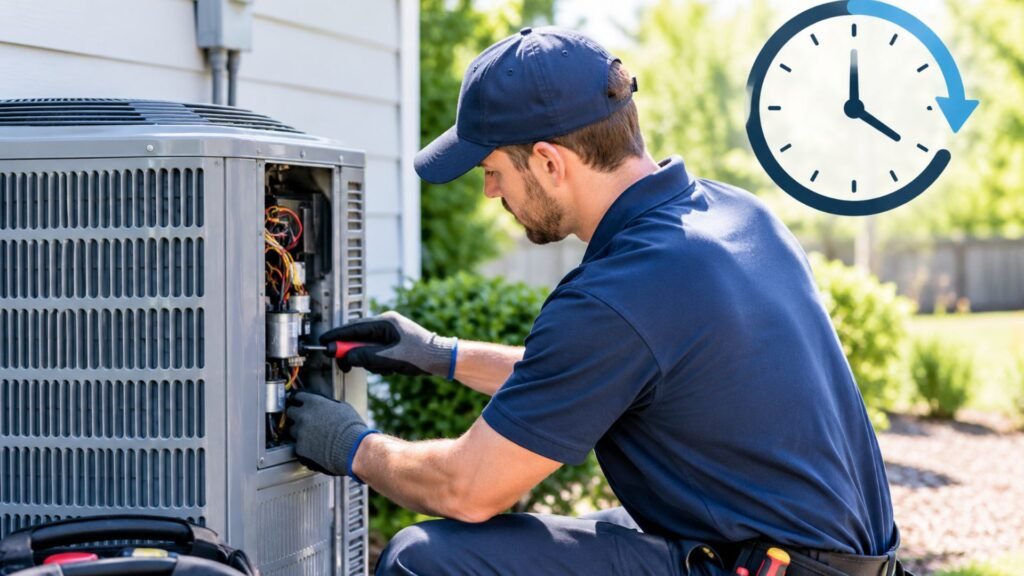
A standard HVAC maintenance appointment usually takes about one to two hours for a typical residential system. The exact time depends on the system type, its condition, accessibility, the number of units being serviced, and whether the technician finds anything that needs attention. Understanding the usual HVAC maintenance appointment duration helps you plan your day, ask better questions, and recognize the difference between a thorough tune-up and a rushed visit.
How long should an HVAC maintenance appointment take?
For many homes, an HVAC maintenance appointment should take roughly 60 to 120 minutes. A simple seasonal tune-up on a well-maintained system may be closer to the shorter end, while older systems, neglected equipment, multi-zone setups, or appointments involving both heating and cooling components may take longer. If you have been asking, “How Long Should an HVAC Maintenance Appointment Take?” the practical answer is: long enough for the technician to inspect, clean, test, and explain the system without skipping important steps.
That does not mean a longer visit is always better. An experienced technician may work efficiently because they know what to look for and have a consistent checklist. At the same time, an appointment that is over in 15 or 20 minutes may not allow enough time for a meaningful inspection, especially if the system has not been serviced recently.
The best benchmark is not the clock alone. It is whether the visit includes a careful review of safety, performance, airflow, electrical components, drainage, thermostat function, and overall system condition.
The typical timeline of a maintenance visit
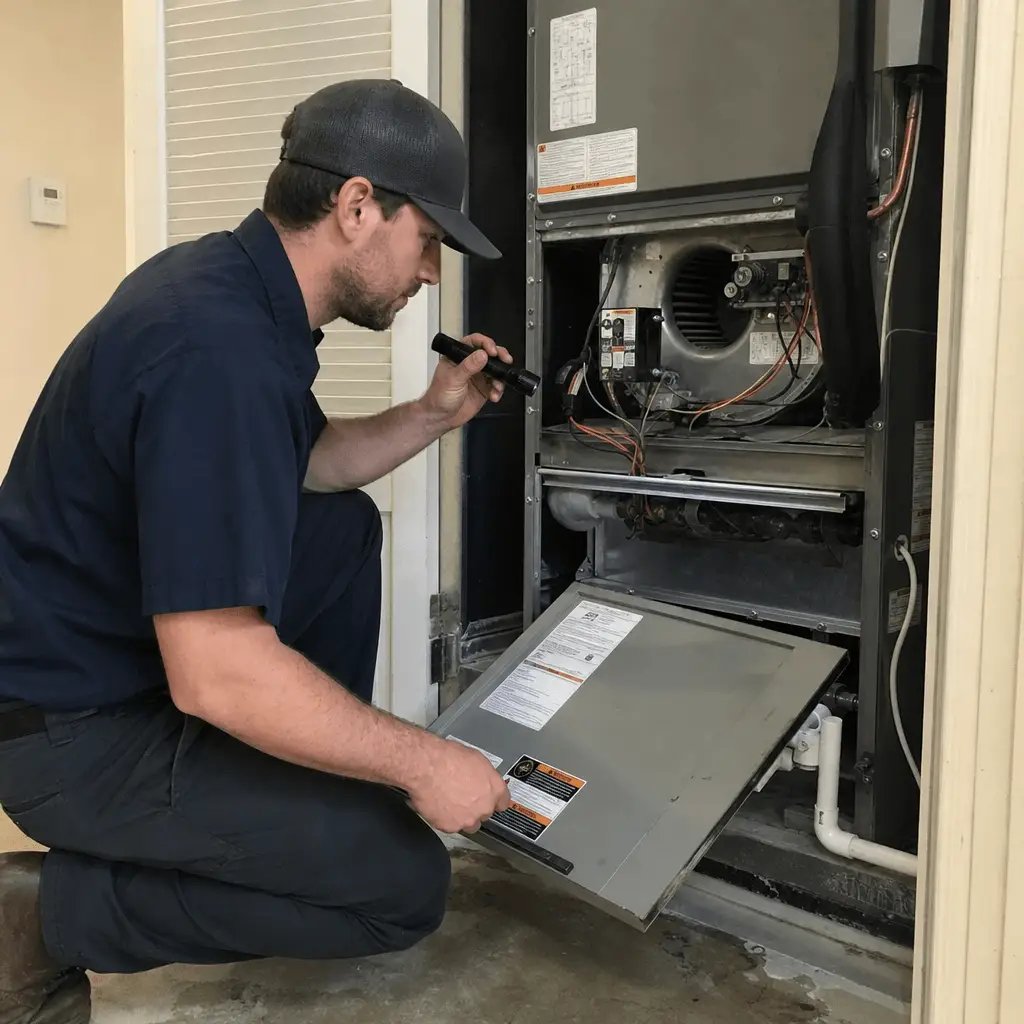
An HVAC tune-up is more than a quick look at the equipment. A good appointment usually follows a logical sequence so the technician can spot small issues before they become expensive or inconvenient problems.
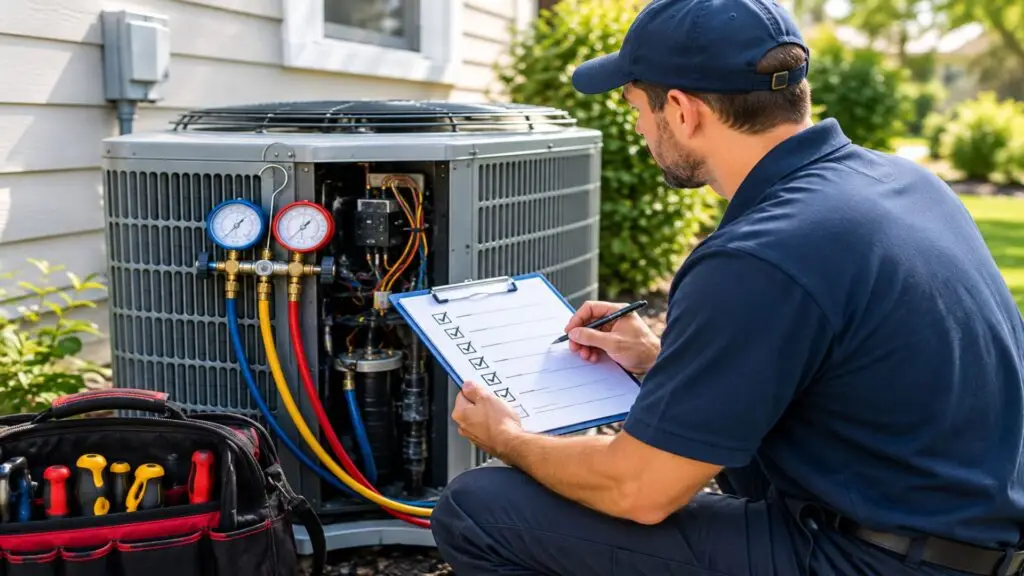
Here is what often happens during a routine maintenance visit:
Initial check-in and system discussion The technician may ask whether you have noticed unusual sounds, weak airflow, uneven temperatures, higher energy bills, odors, or frequent cycling. This conversation helps direct the inspection toward symptoms you may already be experiencing.
Thermostat and system operation test The appointment commonly begins with confirming that the thermostat communicates properly with the system. The technician may run the heating or cooling mode to observe startup, shutdown, cycling, and general operation.
Visual inspection of indoor and outdoor equipment The technician checks accessible components for wear, damage, leaks, corrosion, debris, loose connections, and signs of poor airflow. For air conditioning, this may include the outdoor condenser. For heating, it may include the furnace, heat exchanger area, burners, or ignition components, depending on the system.
Cleaning and basic maintenance tasks Cleaning can include removing debris, checking the condensate drain, cleaning accessible coils or burner areas, and replacing or inspecting the air filter. The depth of cleaning depends on the system, the service agreement, and the condition of the equipment.
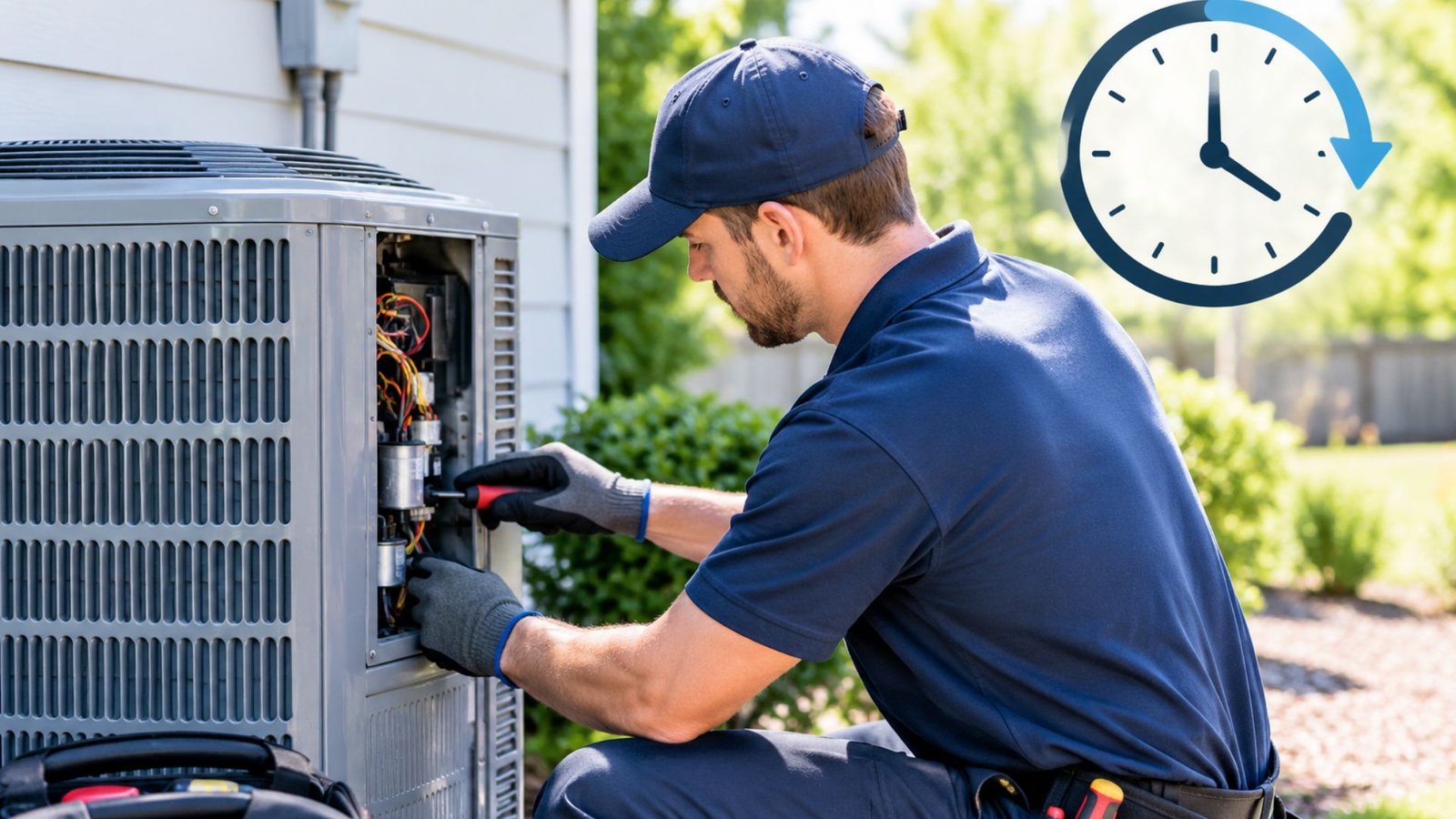
Electrical and safety checks The technician may inspect wiring, capacitors, contactors, switches, motors, and safety controls. For combustion systems, safety checks are especially important because they help confirm that the equipment is operating properly.
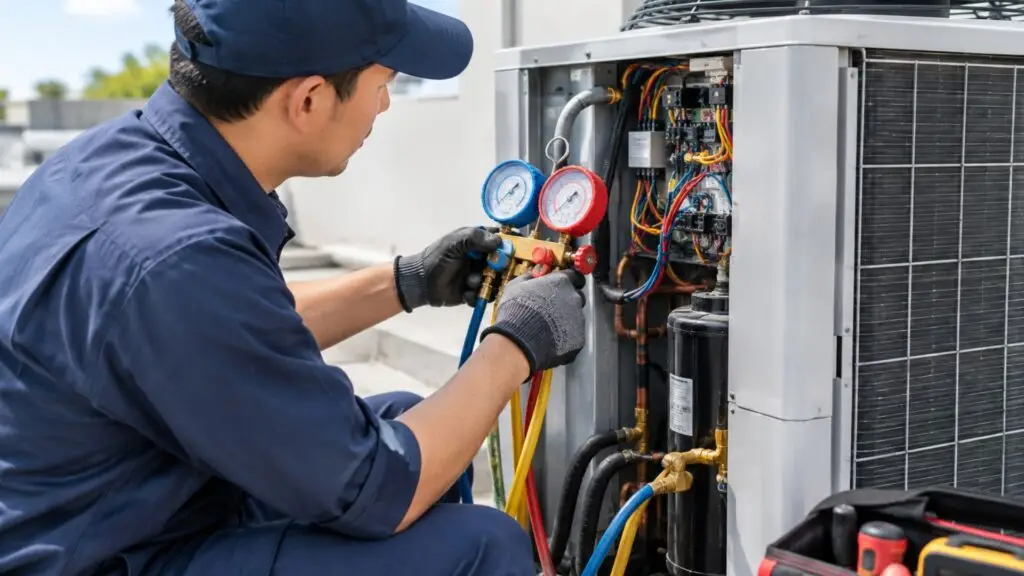
Performance measurements Depending on the system and appointment type, the technician may check temperature split, refrigerant indicators, airflow, gas pressure, amperage, voltage, or other performance markers. These readings help show whether the system is operating within an expected range.
Review and recommendations At the end, you should receive a summary of what was checked, what looked normal, and what may need repair, cleaning, replacement, or monitoring. This final conversation is one of the most valuable parts of the appointment.
What can change the appointment duration?
Several factors can make the visit shorter or longer. The most common are system age, equipment access, maintenance history, the season, and whether the technician is servicing one unit or multiple systems. A clean, accessible, newer system generally takes less time than an older unit in a tight attic, crawl space, roof area, or crowded utility room.
System type and number of units
A single central air conditioner or furnace usually takes less time than a home with multiple HVAC systems. If your home has separate upstairs and downstairs systems, ductless mini-splits in several rooms, or a combination of heating and cooling equipment, the appointment may take longer because each unit needs attention.
Heat pumps can also require careful seasonal checks because they provide both heating and cooling. The technician may need to test reversing valve operation, defrost function, auxiliary heat, or other system-specific components.
Equipment condition
Maintenance on a system that receives regular service is often more straightforward. The technician may find clean components, clear drains, stable electrical readings, and normal operation.
By contrast, a system that has not been serviced in years may require extra time. Dust buildup, clogged filters, blocked drain lines, dirty coils, worn parts, and unclear service history all slow the process. The technician may need to spend more time diagnosing whether a symptom is caused by poor maintenance, a failing component, or both.
Accessibility and setup
Where your equipment is located matters. A system in a clean basement or garage is usually easier to service than equipment in a cramped attic, closet, crawl space, or roof-mounted location. If the technician needs extra time to safely access panels, move around stored items, or set up ladders, the appointment naturally runs longer.
Homeowners can help by clearing a path to indoor and outdoor units before the appointment. Keeping pets secured, unlocking gates, and making sure the thermostat is accessible can also prevent avoidable delays.
Seasonal demand and service purpose
A spring cooling tune-up may focus on air conditioning performance, while a fall visit may focus on heating readiness. If you request a complete system check that includes both heating and cooling in one appointment, the visit may take longer.
Emergency repair calls are different from maintenance appointments. A repair visit may be quick if the problem is obvious, or lengthy if the issue is intermittent. Maintenance is preventive by nature, so the technician is not only fixing a symptom; they are checking the overall health of the system.
Signs of a thorough HVAC maintenance appointment
A good tune-up should feel organized, careful, and transparent. You do not need to watch every step, but you should be able to tell that the technician is following a process rather than simply glancing at the equipment.
Look for these signs of a thorough visit:
The technician asks about comfort issues, noise, odors, airflow, or recent system behavior.
Indoor and outdoor components are inspected when applicable.
The thermostat is tested rather than ignored.
The air filter is checked, replaced, or discussed.
Electrical components are reviewed for wear or unsafe conditions.
Drainage and moisture concerns are considered.
The technician explains findings in plain language.
You receive clear recommendations without pressure or confusion.
Any repair suggestions are connected to an observed issue.
The appointment should end with more clarity than you had at the start. You should know whether your system is ready for the season, whether any parts are showing wear, and what steps can help maintain comfort and efficiency.
How to prepare before the technician arrives
A little preparation can make the appointment smoother and may help the technician use the scheduled time more effectively. You do not need to do technical work yourself, but you can make the system easier to inspect.
Before your appointment, consider this simple checklist:
Replace the air filter if you normally handle it yourself, or leave it for the technician if you want them to inspect it first.
Clear boxes, furniture, yard tools, or storage items from around indoor equipment.
Trim or move debris away from the outdoor unit if it is safe to do so.
Make a note of any rooms that feel too hot, too cold, humid, or stuffy.
Write down unusual noises, odors, or recent changes in system behavior.
Secure pets so the technician can move safely through the home.
Make sure an adult is available to approve access and discuss findings.
These steps do not replace professional maintenance. They simply reduce wasted time and help the technician focus on the equipment instead of access problems.
When a longer appointment is worth it
A longer HVAC maintenance appointment is often worthwhile when it leads to better information. If the technician finds a clogged drain, weak capacitor, dirty coil, restricted airflow, or early signs of wear, the extra time may help prevent a future breakdown.
Longer visits are also useful for new homeowners who do not know the system history. If you recently moved in, the technician may need time to identify equipment age, configuration, filter size, maintenance concerns, and any visible installation issues.
The same is true if your comfort problems are inconsistent. Intermittent short cycling, uneven temperatures, and humidity issues can take longer to evaluate because they may involve airflow, thermostat placement, ductwork, equipment sizing, insulation, or system controls.
FAQ
Is a 30-minute HVAC maintenance appointment too short?
Sometimes it can be, especially if the system has not been serviced recently or if both indoor and outdoor components need attention. A brief visit may be reasonable for a very simple follow-up or filter-only check, but full seasonal maintenance usually requires more time. If the appointment feels rushed, ask what was inspected and whether any readings or findings were recorded.
Do I need to be home for the entire appointment?
In most cases, someone should be available at the beginning and end of the visit. The technician may need access to the thermostat, indoor equipment, outdoor unit, electrical panel, or locked areas. You may not need to stand nearby the whole time, but being reachable helps if the technician has questions or finds an issue.
How often should HVAC maintenance be scheduled?
Many homeowners schedule maintenance once or twice a year, often before heavy heating or cooling seasons. Systems that provide both heating and cooling may benefit from seasonal checks so they are ready before temperatures become more demanding. Always follow the equipment manufacturer’s guidance and any recommendations from a qualified local HVAC professional.
Will maintenance fix my HVAC problem?
Maintenance can resolve some minor issues, such as restricted airflow from a dirty filter or drainage concerns caught early. However, a tune-up is not the same as a full repair visit. If the technician finds a failing part, refrigerant issue, electrical fault, or major performance problem, they may recommend a separate repair or additional diagnostic work.
What should I ask after the appointment?
Ask what condition the system is in, whether any parts are wearing out, when the filter should be changed, and whether there are comfort or efficiency concerns to monitor. You can also ask which recommendations are urgent and which can be planned for later. A clear explanation helps you make practical decisions instead of reacting to vague warnings.
Keep Your Home Comfortable All Year Long: Schedule Your HVAC Tune-Up Today
A standard HVAC maintenance appointment typically takes between 60 to 90 minutes per unit, allowing a certified technician to thoroughly inspect, clean, and optimize your system for peak efficiency. Regular seasonal tune-ups lower your energy bills, extend equipment lifespan, and prevent costly breakdowns right when you need your system most.
Don’t wait until a minor issue turns into an emergency repair. Contact us today to schedule your professional HVAC maintenance service and ensure your home stays perfectly comfortable in any weather.