Reducing allergens in your home with HVAC solutions is one of the most effective ways to improve indoor air quality and create a healthier living environment. In Florida’s warm and humid climate, allergens like dust, pollen, mold spores, and pet dander can easily circulate through your home if your HVAC system is not properly maintained. Fortunately, the right heating and cooling solutions can significantly reduce airborne irritants and help your family breathe easier year-round.
What Are Indoor Allergens?
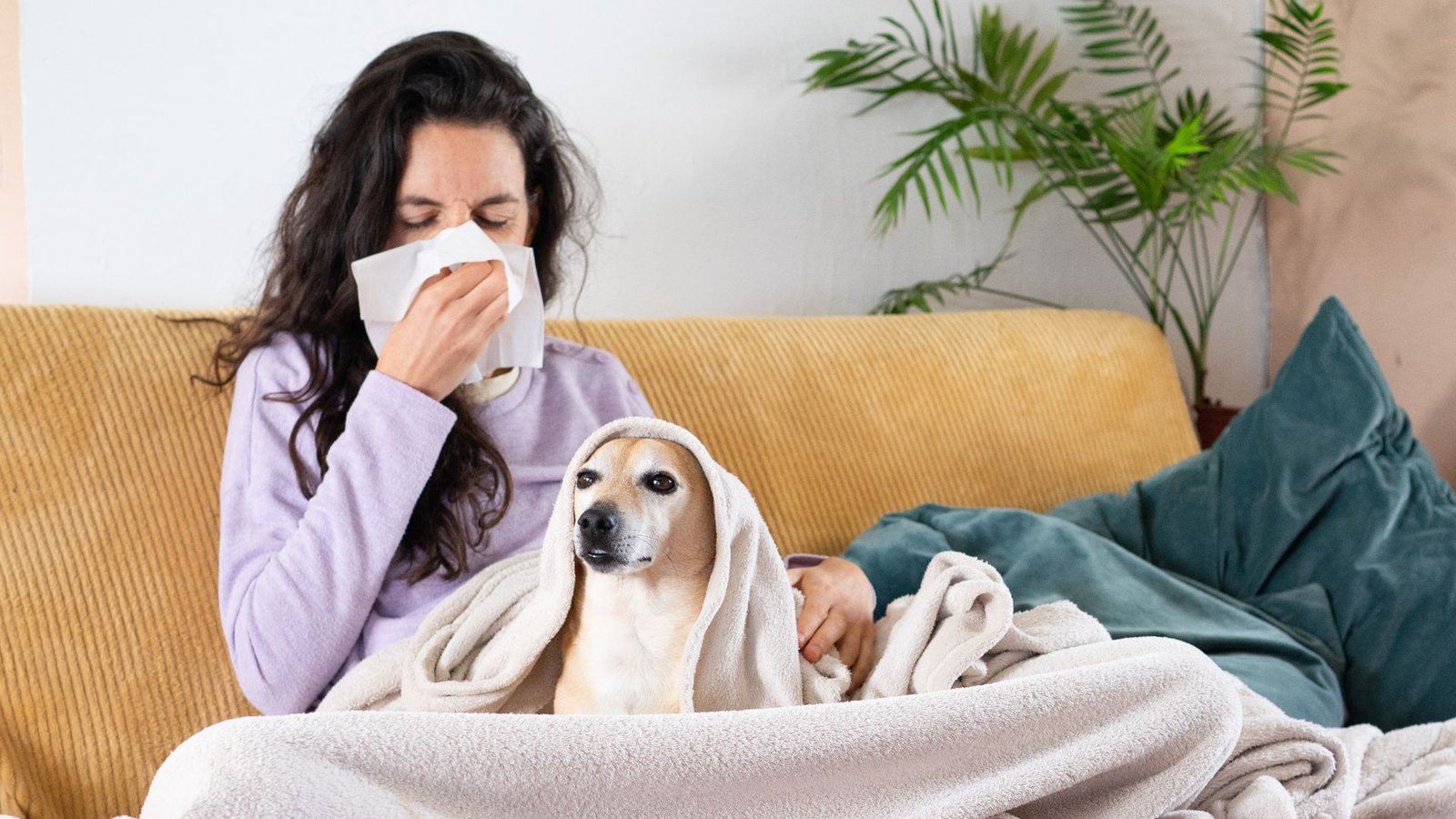
Indoor allergens are tiny particles that trigger allergy symptoms such as sneezing, coughing, congestion, itchy eyes, and breathing discomfort. These particles often become trapped and circulated through your HVAC system.
Common Household Allergens Include:
- Dust mites
- Pet dander
- Mold spores
- Pollen
- Smoke particles
- Bacteria and airborne contaminants
Florida homes are especially vulnerable to allergens due to high humidity levels that encourage mold growth and poor indoor air circulation.
How HVAC Systems Help Reduce Allergens
Your HVAC system does more than cool your home—it also plays a major role in indoor air quality.
Key Ways HVAC Systems Reduce Allergens:
- Filter airborne particles before they circulate
- Control indoor humidity levels
- Improve air circulation and ventilation
- Prevent mold and mildew buildup
- Remove contaminants from indoor air
A properly maintained HVAC system can dramatically reduce allergy triggers inside your home.
How to Decrease Allergens in a House?
If you are wondering how to decrease allergens in a house, HVAC maintenance and upgrades are among the best solutions available.
1. Upgrade Your Air Filters
One of the easiest ways to reduce allergens is by installing high-quality HVAC filters.
Recommended Filter Features:
- Pleated filters for better particle capture
- MERV 11–13 ratings for improved filtration
- Filters designed for allergy protection
Changing filters regularly prevents dust and allergens from accumulating inside your system.
2. Schedule Regular HVAC Maintenance
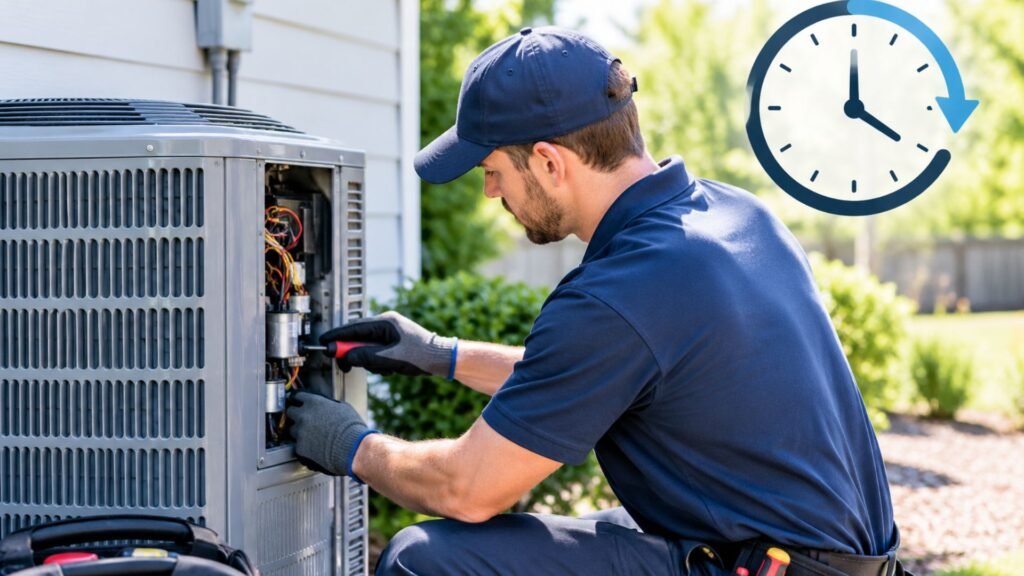
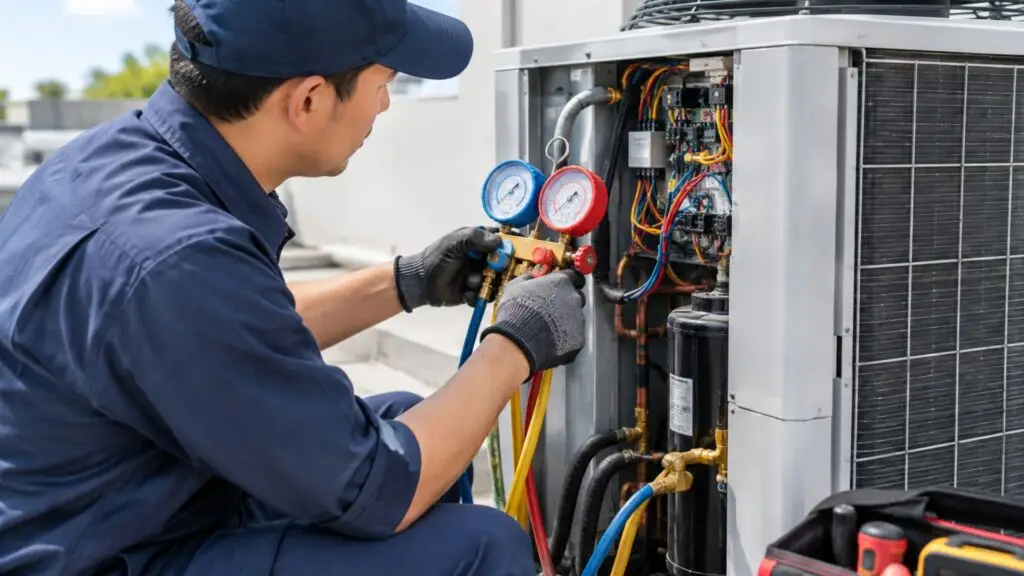
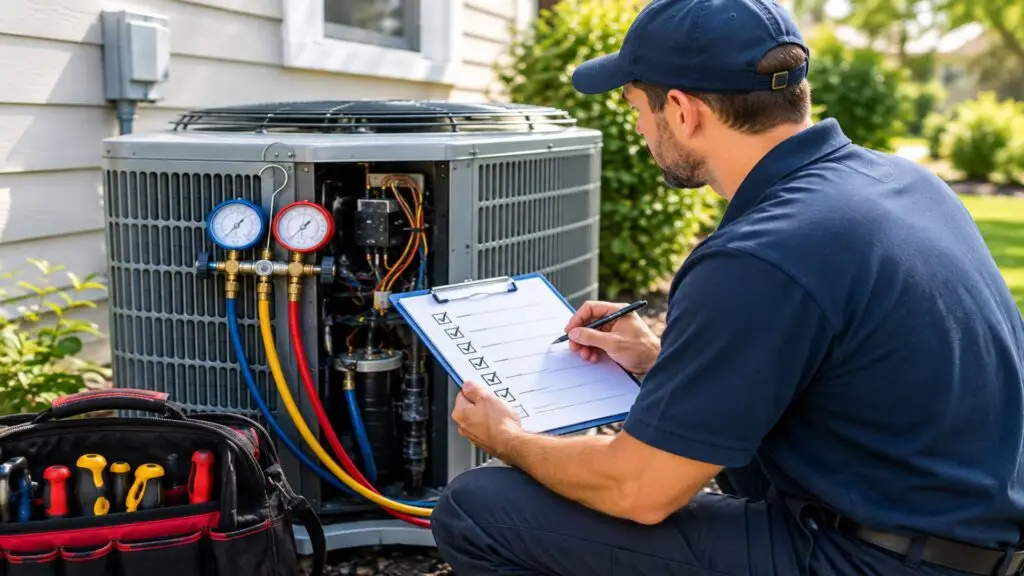
Routine HVAC maintenance helps ensure your system operates efficiently while keeping indoor air cleaner.
Maintenance Services May Include:
- Cleaning air ducts and vents
- Inspecting and cleaning coils
- Checking airflow performance
- Removing dirt and debris buildup
Professional maintenance helps prevent allergens from spreading throughout your home.
3. Control Indoor Humidity Levels
Humidity control is essential in Florida homes because excessive moisture promotes mold growth.
Ideal Indoor Humidity:
- Between 30% and 50%
A properly functioning HVAC system can help regulate humidity and reduce mold-related allergens.
4. Install Indoor Air Quality Solutions
Advanced HVAC add-ons can provide additional allergen protection.
Popular Indoor Air Quality Solutions:
- UV air purifiers
- Whole-home dehumidifiers
- Air scrubbers
- HEPA filtration systems
These systems target microscopic contaminants and improve overall indoor air quality.
Signs Your HVAC System May Be Increasing Allergens
Sometimes your HVAC system may actually contribute to poor indoor air quality if it is not maintained correctly.
Warning Signs:
- Excessive dust around vents
- Musty odors when the AC runs
- Increased allergy symptoms indoors
- Weak airflow or poor ventilation
- Visible mold near vents or ducts
If you notice these issues, it may be time to schedule professional HVAC service.
Practical Tips for Reducing Allergens at Home
In addition to HVAC maintenance, homeowners can take simple steps to improve air quality.
Actionable Tips:
- Replace HVAC filters every 1–3 months
- Vacuum regularly using HEPA-filter vacuums
- Keep windows closed during high pollen days
- Use exhaust fans in kitchens and bathrooms
- Clean air vents and registers frequently
- Limit indoor humidity with dehumidifiers
Combining these habits with professional HVAC care can make a significant difference.

Benefits of HVAC Solutions for Allergy Reduction
Investing in better HVAC solutions provides long-term benefits for both comfort and health.
Key Benefits:
- Cleaner indoor air
- Fewer allergy symptoms
- Better HVAC efficiency
- Reduced mold and mildew growth
- Improved comfort year-round
- Healthier indoor environment for families and pets
These advantages are especially important for households with children, seniors, or individuals with respiratory conditions.
Frequently Asked Questions
Yes. HVAC systems with proper filtration and maintenance can significantly reduce airborne allergens such as dust, pollen, and pet dander.
Filters with a MERV rating between 11 and 13 are often recommended for allergy reduction while maintaining proper airflow.
Most filters should be replaced every 1–3 months, depending on usage, pets, and allergy concerns.
Yes. Cleaning air ducts can remove dust, mold, and debris that may circulate through your home.
High humidity encourages mold growth and dust mites, both of which are common allergy triggers.
Conclusion
Reducing allergens in your home with HVAC solutions is one of the smartest ways to improve indoor air quality and create a healthier living space. From upgrading filters and controlling humidity to scheduling regular HVAC maintenance, these solutions help minimize airborne irritants and improve comfort throughout your home. By taking proactive steps, homeowners in Winter Haven can enjoy cleaner air, better HVAC performance, and fewer allergy-related issues year-round.
Breathe Cleaner, Healthier Air Today
Don’t let allergens affect your comfort at home. Ice Cooling HVAC provides expert HVAC maintenance, air quality solutions, and professional support to help reduce allergens and improve indoor air quality. Whether you need filter upgrades, duct cleaning, or system maintenance, our experienced team is ready to help. Contact us today and start breathing cleaner, healthier air with confidence!