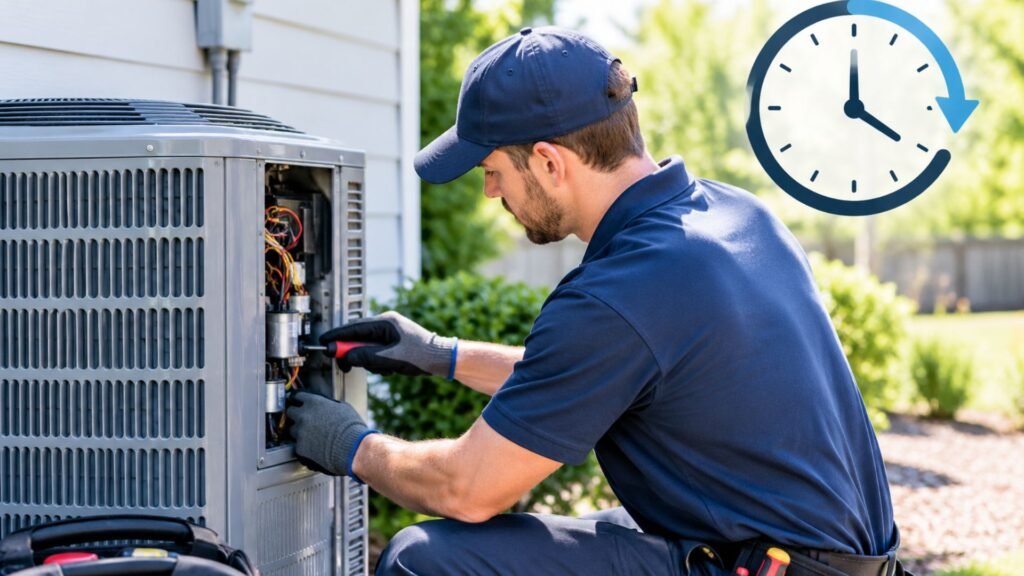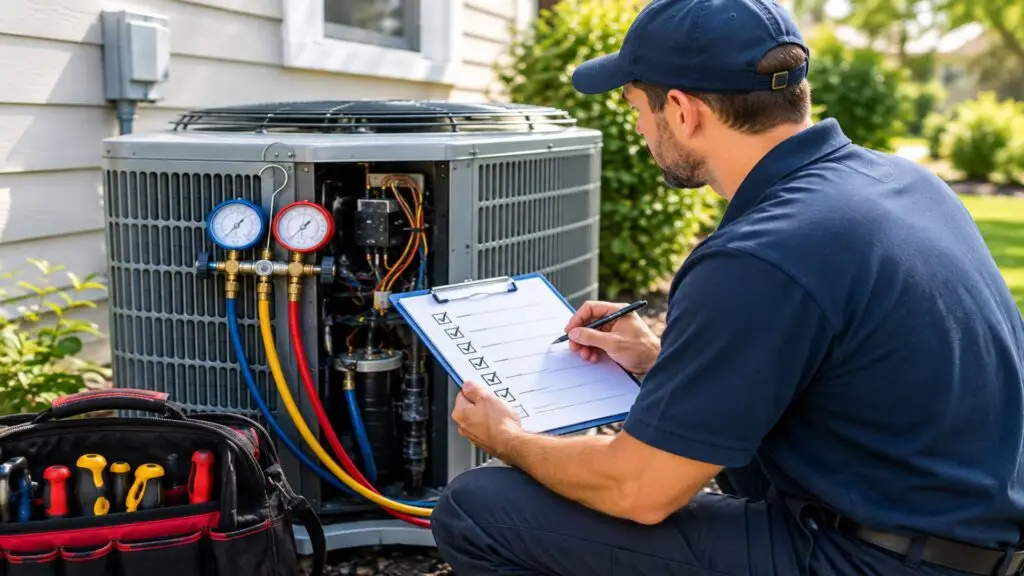
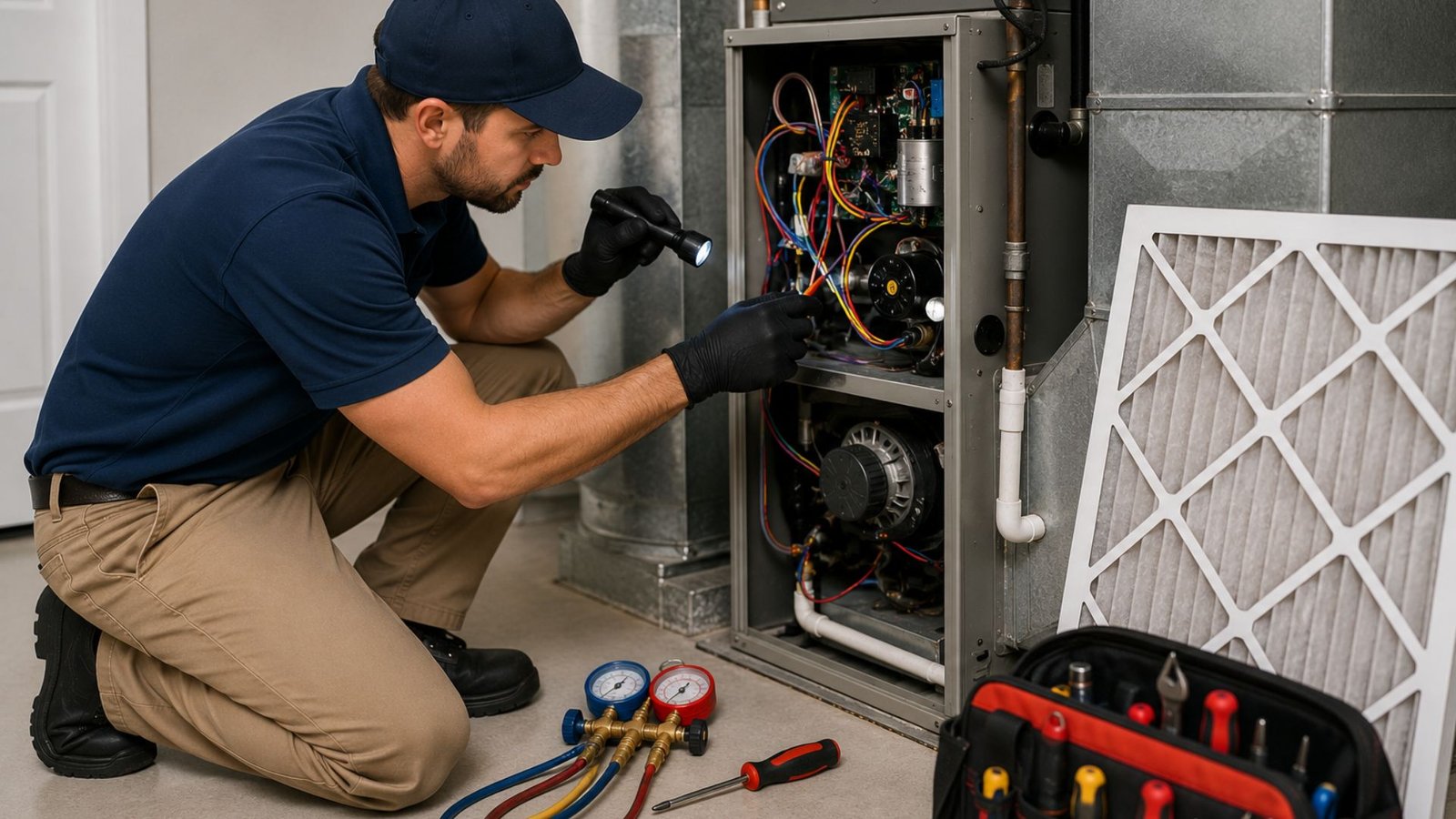
If you’ve ever asked yourself, “What Does an HVAC Tune-Up Actually Include?”, you’re not alone. Many homeowners schedule maintenance appointments without fully understanding what technicians do during a visit. A professional HVAC tune-up is one of the best ways to improve efficiency, prevent costly breakdowns, and extend the life of your heating and cooling system. For homeowners in Winter Haven, FL, where air conditioners work hard for most of the year, routine tune-ups are essential for maintaining comfort and controlling energy costs.
But many people still wonder: Is HVAC tune up worth it? The short answer is yes—and understanding what’s included will show you why.
What Is an HVAC Tune-Up?
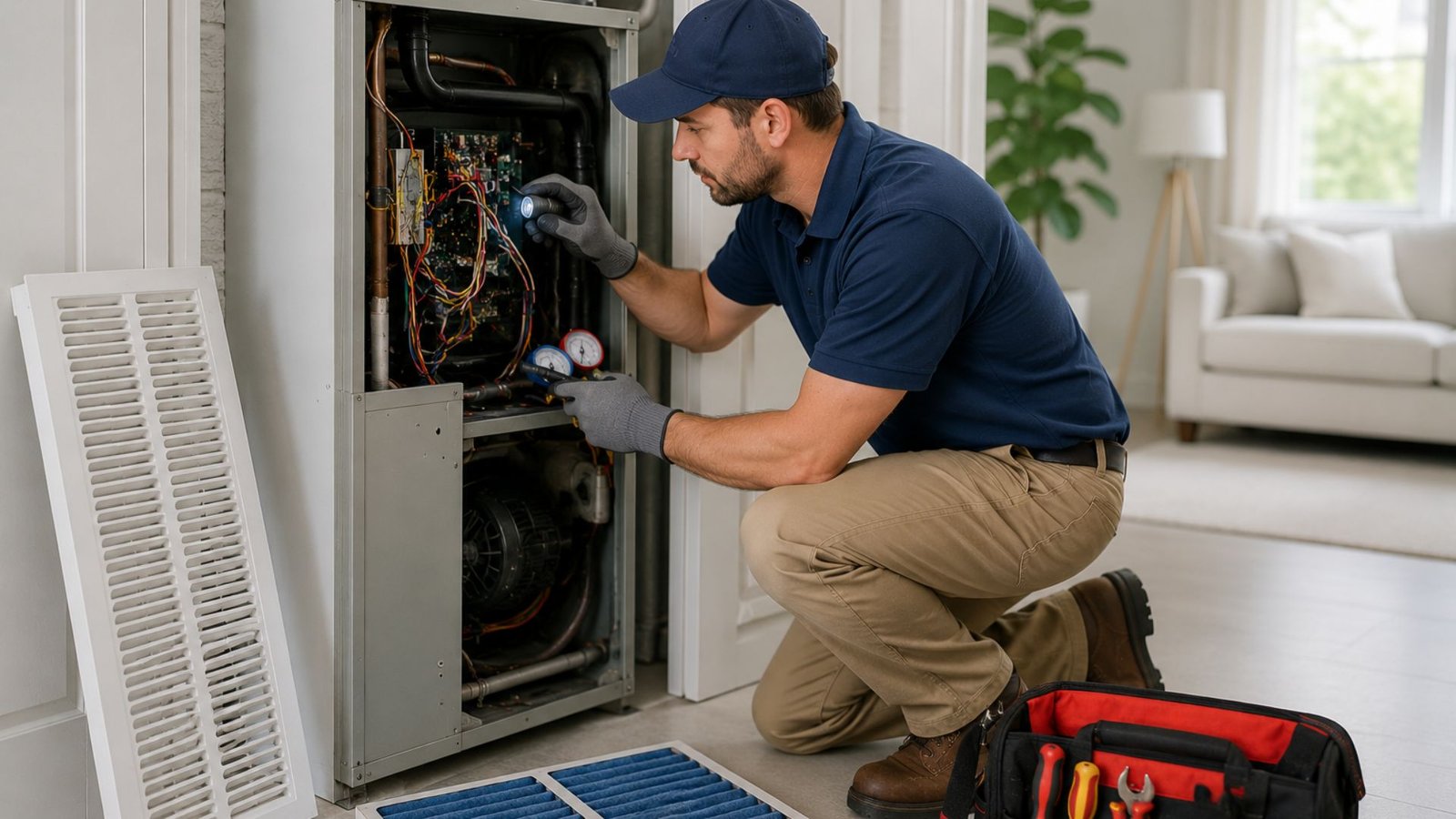
An HVAC tune-up is a preventative maintenance service designed to inspect, clean, test, and optimize your heating and cooling system.
The goal is to ensure your HVAC equipment operates safely, efficiently, and reliably throughout the year.
During a Professional Tune-Up, Technicians Typically:
- Inspect major system components
- Clean critical parts
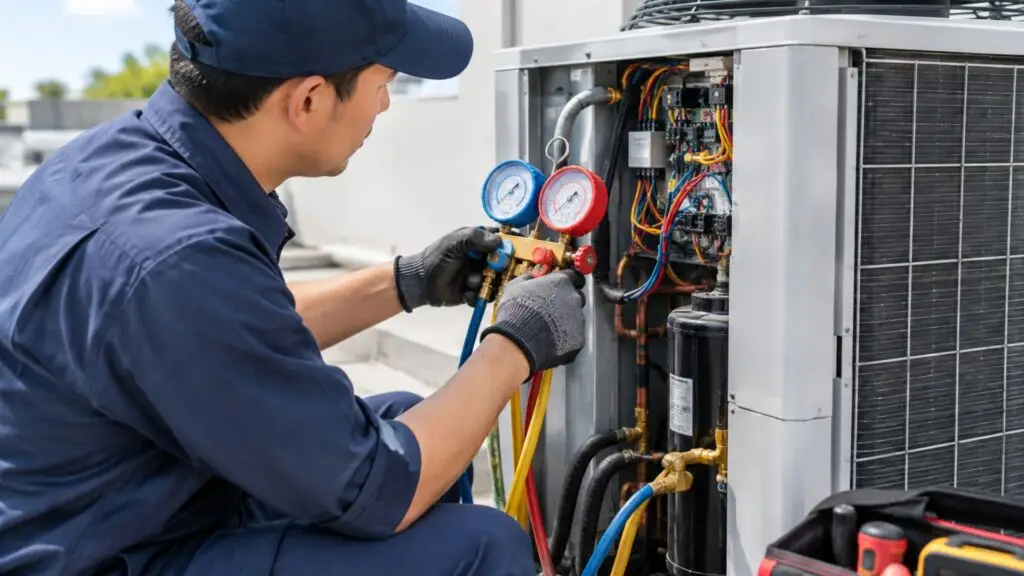
- Check refrigerant levels
- Test electrical connections
- Verify thermostat accuracy
- Evaluate system performance
Think of it as a wellness checkup for your HVAC system.
What Does an HVAC Tune-Up Actually Include?
A comprehensive tune-up covers several important maintenance tasks that help prevent future problems.
1. Complete System Inspection
The technician will inspect the entire HVAC system for signs of wear, damage, or performance issues.
This includes checking:
- Electrical connections
- Wiring
- Safety controls
- Motors and moving parts
- System controls
Identifying small issues early can prevent expensive repairs later.
2. Air Filter Inspection
Dirty filters restrict airflow and reduce system efficiency.
During the visit, the technician will:
- Inspect filter condition
- Recommend replacement if necessary
- Ensure proper airflow throughout the system
Clean filters improve indoor air quality and system performance.
3. Cleaning Evaporator and Condenser Coils
Over time, dirt and debris build up on HVAC coils.
Dirty coils can cause:
- Higher energy bills
- Reduced cooling performance
- Increased wear on the compressor
Cleaning these components helps restore efficiency.
4. Refrigerant Level Check
Proper refrigerant levels are critical for effective cooling.
The technician will:
- Measure refrigerant pressure
- Check for leaks
- Ensure proper system charge
Low refrigerant can reduce cooling capacity and damage your system.
5. Thermostat Testing and Calibration
Your thermostat controls how efficiently your HVAC system operates.
A tune-up includes:
- Testing thermostat accuracy
- Calibrating settings if needed
- Verifying communication with the HVAC system
Proper calibration improves comfort and energy efficiency.
6. Electrical System Inspection
Electrical problems are one of the most common causes of HVAC failures.
Technicians inspect:
- Capacitors
- Contactors
- Wiring connections
- Voltage levels
- Safety switches
This helps reduce the risk of unexpected breakdowns.
7. Drain Line Cleaning
Florida’s humidity can cause condensate drain lines to become clogged.
A blocked drain line can lead to:
- Water damage
- Mold growth
- System shutdowns
Cleaning the drain line helps prevent these issues.
8. Airflow and Duct Inspection
Proper airflow is essential for system performance.
The technician may inspect:
- Airflow levels
- Supply and return vents
- Visible ductwork issues
Poor airflow can increase energy usage and reduce comfort.
9. Performance Testing
Before leaving, the technician will test system operation.
This includes checking:
- Cooling output
- Temperature differentials
- Startup and shutdown cycles
- Overall efficiency
This final step ensures everything is functioning correctly.
Is HVAC Tune Up Worth It?
Absolutely.
Many homeowners see maintenance as an expense, but it’s actually an investment.
Benefits of HVAC Tune-Ups Include:
- Lower utility bills
- Improved energy efficiency
- Reduced repair costs
- Better indoor comfort
- Longer equipment lifespan
- Enhanced indoor air quality
- Fewer emergency breakdowns
For Florida homeowners who rely heavily on air conditioning, tune-ups often pay for themselves through energy savings and avoided repairs.
Signs You Need an HVAC Tune-Up
Even if your system is still running, certain warning signs indicate it’s time for maintenance.
Common Signs Include:
- Rising energy bills
- Weak airflow
- Uneven cooling
- Strange noises
- Unusual odors
- Excess indoor humidity
- Frequent system cycling
Addressing these issues early can prevent major repairs.
How Often Should You Schedule a Tune-Up?
Most HVAC professionals recommend:
At Least Once Per Year
This is the minimum recommendation for maintaining efficiency and reliability.
Twice Per Year for Florida Homes
Many Winter Haven homeowners benefit from:
- Spring cooling tune-up
- Fall heating system inspection
This approach provides maximum protection and performance.
Tips to Get the Most from Your HVAC Tune-Up
1. Change Filters Regularly
Replace filters every 1–3 months.
2. Keep Outdoor Units Clean
Remove debris and vegetation around the condenser.
3. Schedule Maintenance Before Peak Seasons
Spring is the ideal time to prepare for Florida’s summer heat.
4. Don’t Ignore Warning Signs
Small issues often become major repairs if left unresolved.
5. Work With Experienced HVAC Professionals
Professional maintenance ensures your system receives thorough care.
Frequently Asked Questions
What is included in a standard HVAC tune-up?
A standard tune-up typically includes inspection, cleaning, refrigerant checks, thermostat testing, electrical testing, airflow evaluation, and performance testing.
Is HVAC tune up worth it?
Yes. Regular tune-ups improve efficiency, reduce repairs, extend equipment lifespan, and lower energy bills.
How long does an HVAC tune-up take?
Most tune-ups take between one and two hours depending on system size and condition.
How often should an HVAC system be serviced in Florida?
Florida homeowners should schedule professional maintenance at least once annually, with twice-yearly service often recommended.
Can HVAC maintenance prevent breakdowns?
While no service can guarantee zero problems, regular tune-ups significantly reduce the risk of unexpected failures.
Conclusion
Understanding What Does an HVAC Tune-Up Actually Include? helps homeowners see the value of preventative maintenance. A professional tune-up covers everything from cleaning coils and checking refrigerant levels to testing electrical components and verifying system performance. If you’ve ever wondered Is HVAC tune up worth it, the answer is clear. Routine maintenance helps lower energy bills, reduce repair costs, improve comfort, and extend the life of your HVAC system. For Winter Haven homeowners, regular tune-ups are one of the smartest ways to protect both comfort and investment.
Schedule Your HVAC Tune-Up Before Problems Start
Don’t wait until your system breaks down during the hottest day of the year. Ice Cooling HVAC provides professional HVAC tune-ups designed to keep your heating and cooling system running at peak performance. Our experienced technicians deliver thorough inspections, preventative maintenance, and honest recommendations that help you save money and stay comfortable year-round. Contact Ice Cooling HVAC today and discover how a simple tune-up can protect your comfort, improve efficiency, and prevent costly repairs.